
How to deal with loose strands in flexible support wire rope?
As a supplier of flexible support wire ropes, I've witnessed firsthand the challenges that loose strands can pose to both the functionality and appearance of these essential components. Loose strands in a wire rope not only compromise its structural integrity but also increase the risk of premature failure, potentially leading to costly downtime and safety hazards. In this blog post, I'll share some practical tips on how to identify, prevent, and address loose strands in flexible support wire ropes.
Identifying Loose Strands
The first step in dealing with loose strands is to identify them. Loose strands can be caused by a variety of factors, including improper installation, excessive tension, abrasion, or corrosion. Here are some signs to look out for:
- Visible gaps or bulges: Inspect the wire rope regularly for any visible gaps or bulges between the strands. These can indicate that the strands are coming loose or that the rope has been damaged.
- Fraying or unraveling: Check the ends of the wire rope for any signs of fraying or unraveling. This can be a sign that the strands are not properly secured or that the rope has been subjected to excessive wear.
- Uneven tension: If the wire rope feels loose or slack in some areas and tight in others, it could be a sign of loose strands. Use a tension gauge to check the tension of the rope at regular intervals and make adjustments as needed.
Preventing Loose Strands
Preventing loose strands is the best way to ensure the long-term performance and reliability of your flexible support wire ropes. Here are some tips to help you prevent loose strands:
- Proper installation: Make sure the wire rope is installed correctly according to the manufacturer's instructions. Use the appropriate tools and techniques to ensure that the strands are properly aligned and tightened.
- Regular maintenance: Inspect the wire rope regularly for any signs of wear, damage, or corrosion. Clean the rope regularly to remove any dirt, debris, or contaminants that could cause abrasion or corrosion.
- Proper tensioning: Use a tension gauge to ensure that the wire rope is properly tensioned. Over-tensioning can cause the strands to break or come loose, while under-tensioning can cause the rope to sag or vibrate, increasing the risk of wear and damage.
- Use of appropriate accessories: Use appropriate accessories, such as thimbles, clips, and ferrules, to secure the ends of the wire rope. These accessories help to distribute the load evenly and prevent the strands from fraying or unraveling.
Addressing Loose Strands
If you do identify loose strands in your flexible support wire rope, it's important to address the issue as soon as possible to prevent further damage and ensure the safety of your equipment and personnel. Here are some steps you can take to address loose strands:
- Isolate the problem: Identify the location of the loose strands and isolate the affected area of the wire rope. This will help to prevent the problem from spreading and make it easier to repair.
- Inspect the damage: Carefully inspect the loose strands to determine the extent of the damage. If the strands are only slightly loose, you may be able to re-tighten them using a tensioning tool. If the strands are severely damaged or broken, you may need to replace the affected section of the wire rope.
- Repair or replace the wire rope: If the damage is minor, you may be able to repair the wire rope by re-tightening the loose strands or using a splicing kit to join the broken strands. If the damage is severe, you may need to replace the entire section of the wire rope.
- Test the repaired wire rope: Once you have repaired or replaced the wire rope, test it to ensure that it is functioning properly. Use a tension gauge to check the tension of the rope and make any necessary adjustments.
Products That Can Help
As a flexible support wire rope supplier, we offer a range of products that can help you prevent and address loose strands in your wire ropes. Here are some of our recommended products:
- Binding Wire Rope: Our binding wire ropes are designed to provide a secure and reliable way to bind and secure objects. They are made from high-quality materials and are available in a variety of sizes and configurations to meet your specific needs.
- Decorative Wire Rope: Our decorative wire ropes are not only functional but also add a touch of style to your projects. They are available in a variety of finishes and colors to match your decor and are perfect for use in a variety of applications, including railing systems, fencing, and landscaping.
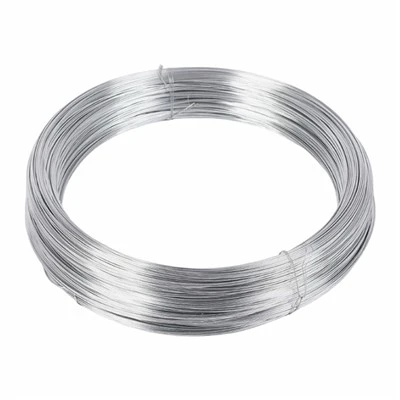
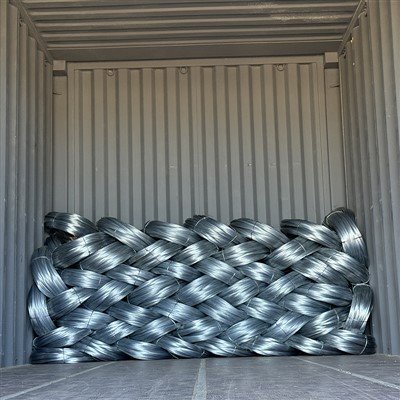
- Gal Wire Rope: Our gal wire ropes are coated with a layer of zinc to protect them from corrosion and rust. They are ideal for use in outdoor applications where the wire rope is exposed to the elements.
- Adjustable Ground Mount Solar Racking: Our adjustable ground mount solar racking systems are designed to provide a secure and reliable way to mount solar panels on the ground. They are made from high-quality materials and are adjustable to accommodate a variety of panel sizes and angles.
- Galvanized Coated Wire Rope: Our galvanized coated wire ropes are coated with a layer of zinc to protect them from corrosion and rust. They are ideal for use in outdoor applications where the wire rope is exposed to the elements.
Conclusion
Dealing with loose strands in flexible support wire ropes requires a combination of preventive measures, regular maintenance, and prompt action when problems arise. By following the tips and recommendations outlined in this blog post, you can help to ensure the long-term performance and reliability of your wire ropes and prevent costly downtime and safety hazards.


If you have any questions or need further information about our flexible support wire ropes or any of our other products, please don't hesitate to contact us. We're here to help you find the right solutions for your specific needs and to ensure your satisfaction.
References
- American Society for Testing and Materials (ASTM). (2019). Standard Specification for Steel Wire Strand, Carbon, for Structural Applications. ASTM A416/A416M-19.
- International Organization for Standardization (ISO). (2017). Steel wire ropes - Safety - Part 1: General requirements. ISO 4309:2017.
- Wire Rope Technical Board (WRTB). (2020). Wire Rope Users Manual. 5th Edition.