
Slope protection wire rope is a key component in many construction and environmental protection projects. As a supplier of slope protection wire rope, I often get asked about its resistance to biological corrosion. It's a valid concern because biological corrosion can significantly affect the lifespan and performance of wire ropes in various applications.
Let's first understand what biological corrosion is. Biological corrosion, also known as microbiologically influenced corrosion (MIC), occurs when microorganisms such as bacteria, fungi, and algae interact with metal surfaces. These microorganisms form biofilms on the metal, which can accelerate the corrosion process by creating an environment that promotes electrochemical reactions.


In the case of slope protection wire rope, the risk of biological corrosion depends on several factors. First, the location of the installation matters a lot. If the wire rope is installed in a moist, warm, and nutrient - rich environment, it's more likely to be exposed to biological activity. For example, in areas near water bodies like rivers, lakes, or the sea, the presence of moisture, organic matter, and microorganisms creates a perfect breeding ground for biofilms.
The material of the wire rope also plays a crucial role. Different types of wire ropes have different levels of resistance to biological corrosion. For instance, Plastic Coated Stainless Steel Wire Rope is generally more resistant compared to regular steel wire ropes. The plastic coating acts as a barrier, preventing direct contact between the metal and the microorganisms. Stainless steel itself has better corrosion - resistant properties due to the presence of chromium, which forms a passive oxide layer on the surface, protecting it from further oxidation.
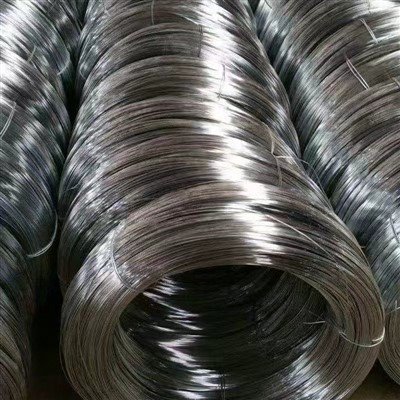
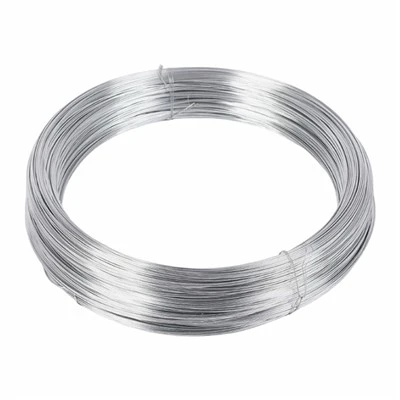
On the other hand, Gal Wire Rope is galvanized, which means it has a layer of zinc coating. Zinc is more reactive than steel, and it sacrifices itself to protect the underlying steel from corrosion. However, in a biological - rich environment, the zinc coating can still be attacked by certain microorganisms. Some bacteria can produce sulfuric acid as a metabolic by - product, which can corrode the zinc coating and then expose the steel to further corrosion.
Another factor is the design and maintenance of the slope protection system. If the wire rope is installed in a way that allows water to accumulate or if there is no proper drainage, the moisture will increase the likelihood of biological growth. Regular inspection and maintenance can help detect early signs of biological corrosion. For example, if you notice a change in the color of the wire rope, the presence of slime or a foul smell, these could be indicators of biological activity.
Now, let's talk about some of the products we offer and their resistance to biological corrosion. Our High - Strength Catch Rope Net is made from high - quality materials. It's designed to withstand harsh environmental conditions, including potential biological corrosion. The high - strength steel used in the rope net has been treated to enhance its corrosion - resistance. Additionally, the net structure allows for better water drainage, reducing the chances of water stagnation and subsequent biological growth.
Our Scaffolding Wire Rope is also engineered to be durable. Although scaffolding may not be directly related to slope protection in the traditional sense, it can be used in slope - related construction projects. We use a combination of materials and coatings to make it resistant to biological corrosion. The wire rope is regularly tested to ensure it meets the required standards for corrosion resistance.
The Binding Wire Rope is yet another product in our portfolio. It's often used to secure various components in slope protection systems. We've taken steps to make it as resistant to biological corrosion as possible. The wire is coated to prevent direct contact with the surrounding environment, and we also recommend proper storage and handling to minimize the risk of corrosion during transportation and installation.
In conclusion, while slope protection wire rope can be susceptible to biological corrosion, there are ways to mitigate this risk. By choosing the right type of wire rope, such as plastic - coated stainless steel or properly galvanized wire ropes, and by ensuring proper installation and maintenance, we can significantly extend the lifespan of the wire rope in a biological - rich environment.
If you're in the market for slope protection wire rope or any of our other related products, I encourage you to reach out for a detailed discussion. We can help you select the most suitable product based on your specific project requirements and the environmental conditions at the installation site. Whether it's a small - scale slope protection project or a large - scale construction job, we have the expertise and the products to meet your needs.
References
- Jones, D. A. (1996). Principles and Prevention of Corrosion. Prentice Hall.
- Uhlig, H. H., & Revie, R. W. (1985). Corrosion and Corrosion Control. John Wiley & Sons.