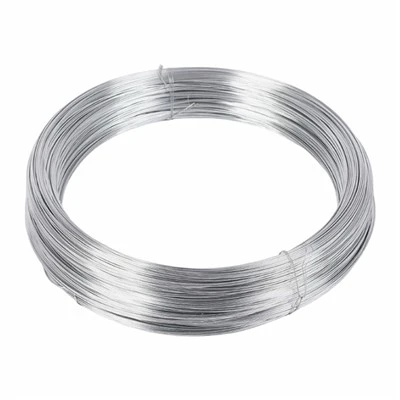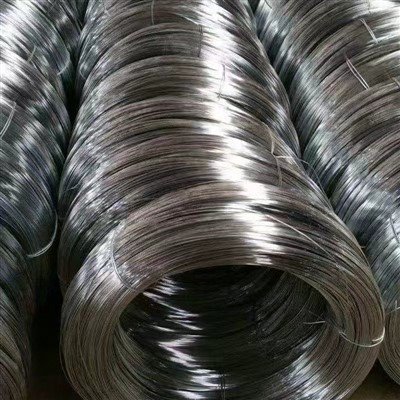

Hey there! As a gal wire rope supplier, I get a ton of questions from customers about different properties of our products. One question that pops up over and over is, "What is the creep resistance of Gal Wire Rope?" So, I thought I'd take a stab at explaining it in this blog post.
First things first, let's talk about what creep is. In simple terms, creep is the gradual deformation of a material over time when it's under a constant load. You can think of it like when you leave a heavy object on a piece of foam for a long time, and the foam slowly starts to squish down. That's kind of what happens to materials under creep, but at a much smaller and more microscopic level.
Now, why is creep resistance important for gal wire rope? Well, gal wire ropes are used in all sorts of applications where they're under continuous stress. For example, in greenhouse and orchard steel wire rope setups, the ropes need to hold up the weight of the structure and all that's hanging from it for years on end. If the rope has poor creep resistance, it'll start to stretch and deform over time. This can lead to all sorts of problems, like the structure becoming unstable or the rope suddenly failing.


In oilfield applications, oilfield protective net made of gal wire rope needs to withstand high and constant forces. The harsh environment and the constant pulling and tension can cause the rope to creep. If the rope gives in to creep, it might not be able to protect the equipment as effectively, which is a huge risk in an oilfield setting.
Same goes for slope protection wire rope. These ropes are used to hold back soil and prevent landslides. They're under long - term stress from the weight of the soil and the natural forces at work. A lack of creep resistance could mean the rope slowly elongates, reducing its ability to hold the slope in place and potentially leading to a dangerous situation.
So, what factors affect the creep resistance of gal wire rope?
Material Quality
The quality of the steel used in the wire rope is super important. High - quality steel with the right alloy composition is better able to resist creep. For instance, steel that has been properly heat - treated and has a fine - grained microstructure is less likely to creep under load. At our company, we source the best - grade steel for our gal wire ropes. This ensures that our ropes can handle long - term stress without significant deformation.
Galvanization Process
The galvanization process also plays a role. Galvanizing the wire rope adds a layer of zinc that not only protects against corrosion but can also have an impact on creep resistance. A well - executed galvanization process can help to strengthen the surface of the wire, making it more resistant to the micro - structural changes that lead to creep.
Rope Construction
How the rope is constructed matters too. Different rope constructions, like the number of strands and the way they're laid, can affect how the rope responds to stress. For example, a rope with a more complex construction might distribute the load more evenly, reducing the chances of localized creep.
Load Conditions
The amount and type of load the rope is under are obvious factors. A rope that's constantly under a high load is more likely to creep than one under a lower load. Also, if the load is applied suddenly or in a fluctuating way, it can increase the risk of creep.
Now, let's look at how we test the creep resistance of our gal wire ropes. We use specialized equipment that applies a constant load to the rope over a long period. We monitor the rope's length and any changes in its diameter. By measuring these changes, we can calculate how much the rope is creeping. This data helps us to ensure that our ropes meet the high standards we set for ourselves and our customers.
In addition to the applications I mentioned earlier, plastic coated stainless steel wire rope is another area where creep resistance is crucial. The plastic coating not only adds an extra layer of protection but also changes the way the rope behaves under stress. We've done a lot of research to make sure that our plastic - coated ropes have excellent creep resistance, so they can be used in applications like outdoor structures and marine environments.
And scaffolding wire rope is yet another example. Scaffolding needs to be stable and safe, and the ropes used in it must be able to handle the weight of workers and equipment for the duration of a construction project. Our gal wire ropes with high creep resistance are perfect for this kind of application.
If you're in the market for gal wire rope, creep resistance should definitely be on your checklist. A rope with good creep resistance will last longer, perform better, and ultimately save you money in the long run. Whether you're building a greenhouse, setting up an oilfield protective net, protecting a slope, using plastic - coated ropes, or erecting scaffolding, our gal wire ropes are designed to meet your needs.
We're always here to help you choose the right rope for your specific application. If you have any questions about creep resistance or any other properties of our gal wire ropes, don't hesitate to reach out. We can provide you with more detailed information, test results, and even samples so you can see for yourself the quality of our products. Start a conversation with us today and let's find the perfect gal wire rope solution for your project.
References
- Material Science and Engineering: An Introduction by William D. Callister Jr. and David G. Rethwisch
- Wire Rope Technology Handbook issued by industry experts.