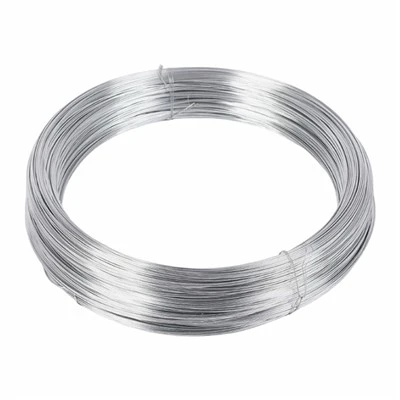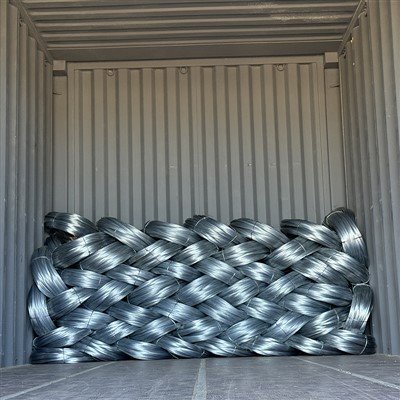

Hey there! I'm a supplier of galvanized wire, and today I wanna talk about the recycling process of galvanized wire. Galvanized wire is super useful in a bunch of industries, like construction, agriculture, and packaging. But what happens when it reaches the end of its life? Well, let's dig into the recycling process step by step.
Collection
The first step in recycling galvanized wire is collection. This can happen in various ways. Sometimes, large companies or factories generate a significant amount of scrap galvanized wire as a by - product of their manufacturing processes. They'll usually set up internal collection systems to keep this scrap separated from other waste materials.
Smaller businesses and individuals also contribute to the collection. For example, a local welder might collect the leftover pieces of galvanized wire after a project. And there are collection centers specifically designed to gather all kinds of metal scraps, including galvanized wire. These centers play a crucial role in aggregating the scattered scrap from different sources.
Sorting
Once the galvanized wire is collected, it's taken to a recycling facility where sorting begins. Sorting is essential because not all galvanized wire is the same. There are different types based on the thickness, the quality of the galvanization, and the intended use.
For instance, Galvanized Bale Ties are used for bundling hay or other agricultural products. They're usually thinner and have a specific shape. On the other hand, Nail Steel Wire is thicker and is designed to be used in nail manufacturing. The recyclers need to separate these different types of wire to ensure a more efficient recycling process.
They also check for any non - galvanized materials that might have gotten mixed in. Sometimes, there could be plastic coatings, other non - metal contaminants, or even different types of metals. Removing these impurities helps in getting a pure galvanized wire stream for further processing.
Cleaning
After sorting, the galvanized wire goes through a cleaning process. Over time, the wire may have accumulated dirt, grease, or other surface contaminants. Cleaning is a vital step because these impurities can affect the quality of the recycled material.
One common method of cleaning is using a chemical bath. The wire is submerged in a solution that can dissolve or loosen the dirt and grease. This solution is carefully formulated to be effective in cleaning the wire without stripping away the galvanized coating.
Another technique is mechanical cleaning. This might involve using brushes or abrasives to physically remove the dirt from the surface of the wire. In some cases, a combination of chemical and mechanical cleaning methods is used to ensure the wire is as clean as possible.
Stripping (if necessary)
In some instances, the recyclers may need to strip the galvanized coating from the wire. This is usually done when the coating has been damaged or when the recycling process requires a pure steel base.
There are a couple of ways to strip the galvanized coating. One method is using an acid bath. The acid reacts with the zinc coating, dissolving it and leaving behind the steel wire. However, this method needs to be carried out carefully because the acid can also corrode the steel if not properly controlled.
Another approach is thermal stripping. The wire is heated to a high temperature, causing the zinc coating to vaporize. This method is more energy - intensive but can be very effective in removing the coating without damaging the steel wire too much.
Melting
Once the wire is clean and, if necessary, stripped of its coating, it's time for melting. The sorted and cleaned galvanized wire is fed into a large furnace. The furnace is heated to a very high temperature, usually above the melting point of steel, which is around 1370 - 1510 degrees Celsius.


As the wire melts, it forms a pool of molten metal. During this process, any remaining impurities float to the surface and can be easily skimmed off. This helps in getting a purer form of steel, which is crucial for producing high - quality recycled products.
Refining
After melting, the molten metal goes through a refining process. Refining is all about adjusting the chemical composition of the metal to meet the desired standards. For example, the recyclers might add specific elements to the molten metal to improve its strength, ductility, or other properties.
They also use various techniques to remove any trace impurities that were not removed during the melting process. This could involve blowing oxygen through the molten metal or adding fluxes that react with the impurities and form a slag that can be separated from the metal.
Casting and Shaping
Once the metal has been refined, it's ready to be cast into different shapes. Depending on the end - use, the molten metal can be poured into molds to create ingots, billets, or other semi - finished products.
If the goal is to produce new galvanized wire, the cast metal is further processed through a series of drawing operations. In this process, the metal is pulled through a series of dies to reduce its diameter and increase its length. After drawing, the wire can be re - galvanized to give it a new protective coating.
New Products
The recycled galvanized wire can be used to make a wide range of products. For example, Galvanized Gi Wire is commonly used in fencing, binding, and other applications where strength and corrosion resistance are important. Galvanized Fence Wire Roll is another popular product made from recycled galvanized wire, which is used in agricultural and residential fencing. And Pvc Coated Gi Binding Wire is often used in construction for tying reinforcement bars.
Why Recycling Matters
Recycling galvanized wire is not just about making new products. It also has a huge environmental impact. Recycling reduces the need for mining new iron ore, which can be a very energy - intensive and environmentally damaging process. It also cuts down on the energy required to produce new steel from scratch. In fact, recycling steel can save up to 75% of the energy needed to produce steel from virgin materials.
Moreover, recycling helps in reducing waste sent to landfills. Galvanized wire can take a long time to decompose in landfills, and by recycling it, we can keep it in the production cycle and make the most of this valuable resource.
Let's Connect
If you're interested in purchasing high - quality galvanized wire products or have any questions about our recycling process, I'd love to hear from you. Whether you need wire for a small DIY project or are looking for a large - scale supply for your business, we've got you covered. Drop us a line to start a conversation about your requirements.
References
- "The Basics of Metal Recycling." American Iron and Steel Institute.
- Recycling Today Magazine, various issues on metal recycling.