
As a supplier of Binding Wire Rope, I have witnessed firsthand the crucial role that high - quality binding wire rope plays in various industries. Whether it's for construction, shipping, or general bundling purposes, the quality of the binding wire rope can significantly impact its performance and safety. In this blog, I'll share some key indicators to help you determine if the binding wire rope you're considering is of good quality.
1. Material Quality
The foundation of any high - quality binding wire rope lies in the material from which it's made.
Steel Grade
Most binding wire ropes are made from steel, and the grade of steel is a vital factor. Higher - grade steels, such as those with a high carbon content, generally offer greater strength and durability. For example, ropes made from high - tensile steel can withstand heavier loads without breaking. When evaluating a binding wire rope, ask the supplier about the steel grade. A good - quality rope will typically be made from a well - known and reliable steel grade, and the supplier should be able to provide detailed specifications.
Stainless Steel Options
If your application requires resistance to corrosion, stainless steel binding wire ropes are an excellent choice. Stainless steel contains chromium, which forms a passive oxide layer on the surface, protecting the rope from rust and other forms of corrosion. This makes it ideal for use in marine environments or areas with high humidity. Check if the stainless steel rope has the appropriate alloy composition, such as 304 or 316 stainless steel, which are commonly used for their corrosion - resistant properties. You can explore high - quality Plastic Coated Stainless Steel Wire Rope on our website for more corrosion - resistant options.
2. Construction and Design
The way a binding wire rope is constructed also has a major impact on its quality.


Stranding Pattern
The stranding pattern refers to how the individual wires are twisted together to form strands, and then how those strands are twisted around a core. Different stranding patterns offer varying levels of flexibility, strength, and resistance to abrasion. For example, a 6x19 strand pattern (six strands with 19 wires per strand) is known for its good strength and flexibility, making it suitable for a wide range of applications. A well - made binding wire rope will have a consistent stranding pattern throughout its length, with no signs of loose or misaligned wires.
Core Type
The core of a binding wire rope provides support and helps maintain the shape of the strands. There are several types of cores, including fiber cores (such as natural or synthetic fibers) and steel cores. Fiber cores offer greater flexibility, while steel cores provide higher strength and are more suitable for heavy - duty applications. The choice of core type depends on the specific requirements of your project. Ensure that the core is properly positioned and not damaged, as this can weaken the overall structure of the rope.
3. Surface Finish
The surface finish of a binding wire rope can affect its performance and lifespan.
Galvanization
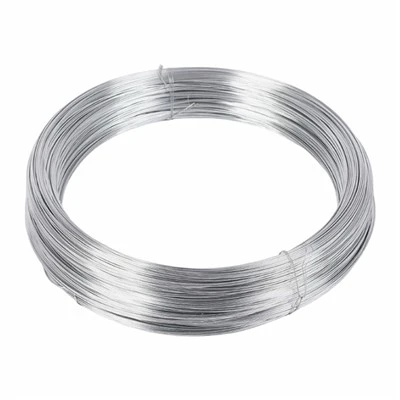
Galvanized binding wire ropes are coated with a layer of zinc to protect against corrosion. A good - quality galvanized rope will have a uniform and continuous zinc coating. You can inspect the rope closely to check for any bare spots or areas where the zinc coating is thin or flaking off. A well - galvanized rope will have a smooth and shiny surface, indicating proper application of the zinc. You can explore our Gal Wire Rope and Galvanized Coated Wire Rope for high - quality galvanized options.
Plastic Coating
Some binding wire ropes are coated with plastic for additional protection and to reduce friction. A quality plastic - coated rope should have a smooth and even coating, without any cracks, bubbles, or peeling. The plastic coating should adhere well to the wire rope, providing a barrier against moisture, chemicals, and abrasion.
4. Testing and Certification
Reliable binding wire rope suppliers will subject their products to rigorous testing to ensure they meet industry standards and quality requirements.
Tensile Testing
Tensile testing measures the maximum amount of force a rope can withstand before breaking. A good - quality binding wire rope should have a high tensile strength, which is typically specified by the manufacturer. The supplier should be able to provide test reports showing the results of tensile tests conducted on the rope. These reports will give you confidence in the rope's ability to handle the loads required for your application.
Certification
Look for binding wire ropes that are certified to relevant industry standards, such as ISO 9001 for quality management systems or ASTM standards for specific mechanical properties. Certification indicates that the rope has been manufactured and tested according to recognized industry best practices. Ask the supplier for copies of these certifications to verify the quality of the product.
5. Supplier Reputation
The reputation of the supplier is an important factor when assessing the quality of binding wire rope.
Experience and Expertise
Choose a supplier with extensive experience in the industry. An experienced supplier is more likely to have a deep understanding of the manufacturing process, quality control, and the specific needs of different applications. They can also provide valuable advice and guidance on choosing the right type of binding wire rope for your project.
Customer Reviews
Check customer reviews and testimonials to get an idea of the supplier's track record. Positive reviews from satisfied customers are a good indication of the quality of the products and the level of service provided by the supplier. You can also ask for references from the supplier and contact previous customers directly to inquire about their experience.
6. Application - Specific Considerations
The quality requirements of a binding wire rope can vary depending on its intended application.
Load Capacity
Determine the maximum load the rope will need to support in your application. A good - quality binding wire rope should have a sufficient load capacity to handle the expected loads safely. Consider factors such as dynamic loads (loads that change over time) and shock loads (sudden, high - intensity loads) when selecting a rope.
Environmental Conditions
If the rope will be used in harsh environmental conditions, such as extreme temperatures, high humidity, or exposure to chemicals, it needs to have appropriate resistance. For example, in an oilfield environment, you might need a rope with good resistance to oil and other petroleum - based products. You can explore our Oilfield Protective Net for products suitable for such environments.
In conclusion, determining the quality of a binding wire rope involves a comprehensive assessment of its material, construction, surface finish, testing, and the reputation of the supplier. By considering these factors carefully, you can ensure that you choose a high - quality binding wire rope that meets the specific requirements of your project.
At our company, we are committed to providing top - quality Binding Wire Rope. Our products are manufactured using the highest - grade materials and undergo strict quality control measures to ensure they meet or exceed industry standards. If you are in the market for binding wire rope and want to discuss your specific needs, we invite you to reach out to us for a detailed consultation. We look forward to working with you to find the perfect solution for your binding requirements.
References
- ASTM International. Standards related to wire ropes and cables.
- ISO 9001:2015 Quality management systems - Requirements.