
Hey there! As a supplier of Oilfield Protective Net, I've seen firsthand the importance of fire - prevention measures, especially in wildfire - prone areas. In this blog, I'm gonna share some crucial steps that should be taken for an oilfield protective net in these high - risk zones.
Understanding the Fire Risk in Oilfields
First off, we need to understand why oilfields in wildfire - prone areas are so vulnerable. Oil and gas operations in these regions involve a lot of flammable substances. Even a small spark can trigger a massive fire, and the presence of wildfires in the surrounding area only adds to the risk. Once a wildfire gets close to an oilfield, it can spread rapidly through the protective net if proper precautions aren't in place.
Choosing the Right Protective Net Material
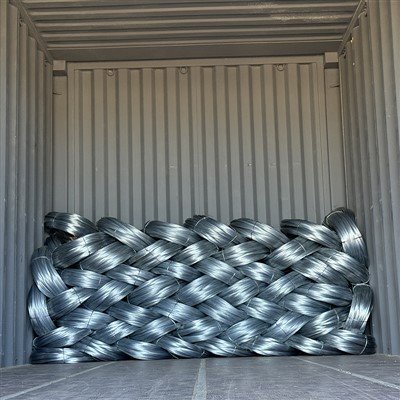
The material of the oilfield protective net is the first line of defense against fire. We offer a variety of high - quality options like the Slope Protection Wire Rope. This type of wire rope is made from strong, heat - resistant alloys that can withstand high temperatures. It's designed to prevent embers from passing through and starting a fire on the other side of the net.
Another great option is the High - Strength Catch Rope Net. It's not only strong but also has a special coating that makes it fire - retardant. This net can trap burning debris and prevent it from reaching the oilfield equipment, reducing the risk of a fire outbreak.
Installation and Maintenance
Proper installation is key to ensuring the effectiveness of the oilfield protective net. When installing the net, it should be tightly secured to prevent any gaps. Loose netting can allow embers to slip through, putting the whole oilfield at risk. Our team of experts can provide guidance on the correct installation process to make sure everything is done right.
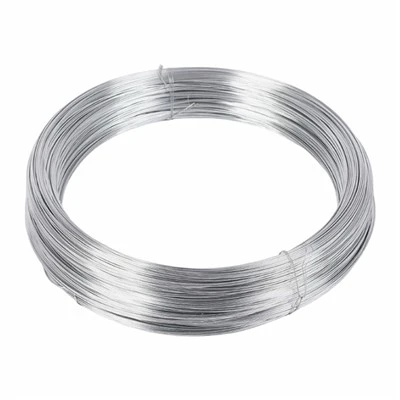
Maintenance is equally important. Regular inspections should be carried out to check for any signs of damage or wear. Over time, exposure to the elements can weaken the net. If holes or tears are found, they should be repaired immediately. We also recommend using Binding Wire Rope for quick and reliable repairs. This wire is strong and can hold the net together firmly.
Creating Buffer Zones
In addition to the protective net, creating buffer zones around the oilfield is a smart move. These zones can act as a barrier between the wildfire and the oilfield. Vegetation in the buffer zone should be cleared regularly to reduce fuel for the fire. The width of the buffer zone can vary depending on the local fire risk, but generally, a wider zone provides better protection.
We can also use Galvanized Coated Wire Rope to mark the boundaries of the buffer zone. This wire is corrosion - resistant and can withstand harsh outdoor conditions, ensuring that the buffer zone remains clearly defined.
Fire - Detection and Alarm Systems
Installing fire - detection and alarm systems is a must for oilfields in wildfire - prone areas. These systems can detect the presence of fire or smoke at an early stage and alert the operators. There are different types of sensors available, such as heat sensors and smoke detectors. We can help you choose the right system based on the specific needs of your oilfield.
In addition to on - site sensors, it's also a good idea to have a remote monitoring system. This way, the operators can keep an eye on the oilfield's fire safety even when they're not physically present. It allows for quick response times in case of a fire emergency.
Training and Emergency Response Plans
All personnel working in the oilfield should receive proper fire - prevention training. They need to know how to use firefighting equipment, how to respond in case of a fire, and what the evacuation procedures are. Regular drills should be conducted to ensure that everyone is familiar with the emergency response plan.
The emergency response plan should include details on how to shut down the oilfield operations safely in case of a fire. It should also have clear instructions on who to contact and what actions to take to minimize the damage.
Using Scaffolding Wire Rope for Support
In some cases, we might need to use Scaffolding Wire Rope to provide additional support for the protective net. This wire rope is strong and can help keep the net in place, especially in high - wind areas. It can be used to anchor the net to the ground or to other structures, making it more stable and effective in preventing fire from spreading.


Conclusion
In conclusion, multiple fire - prevention measures need to be taken for an oilfield protective net in wildfire - prone areas. From choosing the right materials and proper installation to creating buffer zones, installing fire - detection systems, and providing training, every step plays a crucial role in protecting your oilfield from the threat of wildfires.
If you're interested in learning more about our Oilfield Protective Net and other related products, or if you want to discuss your specific fire - prevention needs, feel free to reach out. We're here to help you make your oilfield as safe as possible.
References
- National Fire Protection Association. Fire Prevention Guidelines for Oil and Gas Facilities.
- International Association of Fire Chiefs. Best Practices for Fire Safety in Wildfire - Prone Areas.