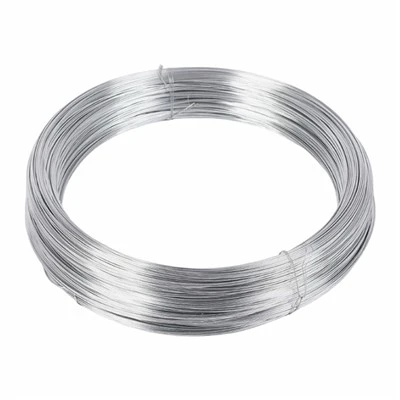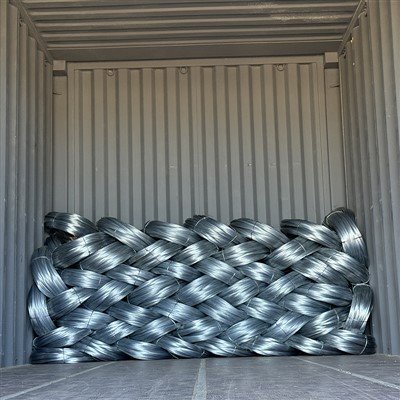

As a seasoned galvanized wire supplier, I understand the critical importance of accurately measuring the thickness of the zinc coating on galvanized wire. The zinc coating not only enhances the wire's corrosion resistance but also plays a significant role in determining its durability and performance in various applications. In this blog post, I will delve into the different methods available for measuring the zinc coating thickness, their advantages, and limitations, and provide practical tips for ensuring accurate measurements.
Understanding the Importance of Zinc Coating Thickness
Before we explore the measurement methods, let's first understand why the thickness of the zinc coating is so crucial. Galvanized wire is widely used in a variety of industries, including construction, agriculture, and manufacturing, due to its excellent corrosion resistance. The zinc coating acts as a sacrificial anode, protecting the underlying steel from rust and corrosion. The thicker the zinc coating, the longer the wire will remain protected, especially in harsh environments.
In addition to corrosion resistance, the zinc coating thickness can also affect the wire's mechanical properties, such as its strength and ductility. A thicker coating may slightly reduce the wire's flexibility but can significantly improve its resistance to wear and tear. Therefore, it is essential to ensure that the zinc coating thickness meets the required specifications for the intended application.
Methods for Measuring Zinc Coating Thickness
There are several methods available for measuring the thickness of the zinc coating on galvanized wire. Each method has its own advantages and limitations, and the choice of method will depend on factors such as the accuracy required, the type of wire, and the available equipment. Here are some of the most commonly used methods:
Magnetic Induction Method
The magnetic induction method is a non-destructive technique that is widely used for measuring the thickness of non-magnetic coatings, such as zinc, on magnetic substrates, such as steel. This method works by generating a magnetic field in the coated sample and measuring the change in the magnetic field caused by the presence of the coating. The thickness of the coating is then calculated based on the measured change in the magnetic field.
One of the main advantages of the magnetic induction method is its speed and ease of use. It can provide rapid and accurate measurements without damaging the wire. Additionally, this method is suitable for measuring the coating thickness on both flat and curved surfaces. However, it is important to note that the accuracy of the magnetic induction method can be affected by factors such as the surface roughness of the wire, the presence of magnetic contaminants, and the temperature of the sample.
Eddy Current Method
The eddy current method is another non-destructive technique that is commonly used for measuring the thickness of non-conductive coatings, such as zinc, on conductive substrates, such as steel. This method works by generating an alternating magnetic field in the coated sample and measuring the eddy currents induced in the substrate. The thickness of the coating is then calculated based on the measured change in the eddy currents.
Like the magnetic induction method, the eddy current method is fast and easy to use. It can provide accurate measurements without damaging the wire. However, this method is more sensitive to the electrical conductivity of the substrate and the coating, and it may not be suitable for measuring the coating thickness on wires with irregular shapes or complex geometries.
Gravimetric Method
The gravimetric method is a destructive technique that involves removing the zinc coating from a known area of the wire and weighing it. The thickness of the coating is then calculated based on the weight of the removed coating and the density of zinc. This method is considered to be the most accurate method for measuring the zinc coating thickness, as it provides a direct measurement of the coating mass.
However, the gravimetric method is also the most time-consuming and labor-intensive method. It requires the use of chemicals to remove the zinc coating, which can be hazardous to the environment and the operator. Additionally, this method is destructive, which means that the wire cannot be used after the measurement is taken.
X-Ray Fluorescence (XRF) Method
The X-ray fluorescence (XRF) method is a non-destructive technique that involves irradiating the coated sample with X-rays and measuring the fluorescent radiation emitted by the zinc atoms in the coating. The thickness of the coating is then calculated based on the intensity of the fluorescent radiation.
The XRF method is fast, non-destructive, and can provide accurate measurements without the need for sample preparation. It is suitable for measuring the coating thickness on both flat and curved surfaces, as well as on wires with complex geometries. However, this method is relatively expensive, and it requires the use of specialized equipment.
Tips for Ensuring Accurate Measurements
Regardless of the method used for measuring the zinc coating thickness, there are several tips that can help ensure accurate and reliable results:
- Calibrate the Measuring Equipment: Before taking any measurements, it is important to calibrate the measuring equipment using a known standard. This will help ensure that the measurements are accurate and consistent.
- Take Multiple Measurements: To reduce the uncertainty of the measurements, it is recommended to take multiple measurements at different locations on the wire. This will help account for any variations in the coating thickness along the length of the wire.
- Clean the Wire Surface: Before taking the measurements, it is important to clean the wire surface to remove any dirt, grease, or other contaminants. This will help ensure that the measurements are not affected by the surface condition of the wire.
- Follow the Manufacturer's Instructions: When using the measuring equipment, it is important to follow the manufacturer's instructions carefully. This will help ensure that the equipment is used correctly and that the measurements are accurate.
Conclusion
Accurately measuring the thickness of the zinc coating on galvanized wire is essential for ensuring its quality and performance. By understanding the different methods available for measuring the coating thickness and following the tips for ensuring accurate measurements, you can ensure that your galvanized wire meets the required specifications for your application.


At our company, we are committed to providing high-quality galvanized wire products with consistent and reliable zinc coating thickness. We use advanced measurement techniques and equipment to ensure that our products meet the highest standards of quality and performance. If you are in the market for galvanized wire, we invite you to explore our wide range of products, including Plastic-Coated Sports Field Fencing, Woven Metal Wire, Galvanized Bale Ties, Orchard Trellising Wire, and Coathanger Wire.
If you have any questions or would like to discuss your specific requirements, please do not hesitate to contact us. We look forward to the opportunity to serve you and help you find the perfect galvanized wire solution for your needs.
References
- ASTM A123/A123M - Standard Specification for Zinc (Hot-Dip Galvanized) Coatings on Iron and Steel Products
- ISO 1461 - Hot dip galvanized coatings on fabricated iron and steel articles - Specifications and test methods
- BS EN ISO 2178 - Non-magnetic coatings on magnetic substrates - Measurement of coating thickness - Magnetic method
- BS EN ISO 2360 - Non-conductive coatings on non-magnetic electrically conductive substrates - Measurement of coating thickness - Eddy current method