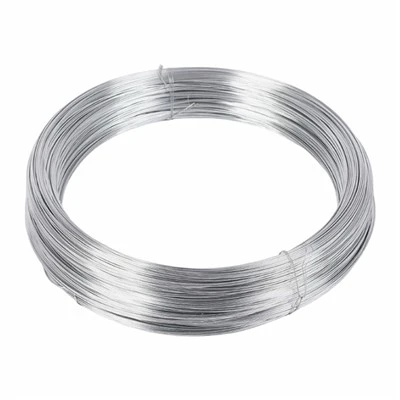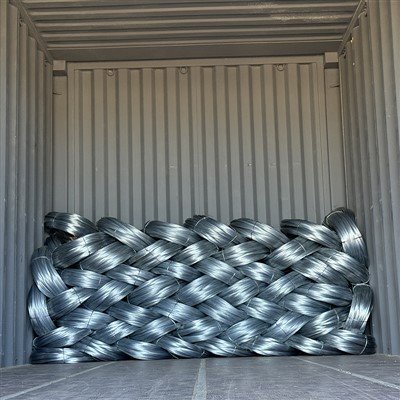

Hey there! I'm a supplier of Flexible Support Wire Rope, and today I want to have a chat about whether this type of wire rope is suitable for low - temperature applications.
First off, let's understand what Flexible Support Wire Rope is. It's a highly versatile product that we offer at link text: Flexible Support Wire Rope. As the name suggests, it's flexible, which means it can be bent and shaped to fit various applications. It's also used for support purposes, helping to hold things in place securely.
Now, let's talk about low - temperature applications. Low - temperature environments can be pretty tricky for a lot of materials. When it comes to wire ropes, there are a few key factors that we need to consider in these conditions.
1. Material Properties in Low Temperatures
The material of the wire rope plays a huge role. Most of our Flexible Support Wire Ropes are made from high - quality steel. Steel generally has good strength characteristics, but at low temperatures, its properties can change. For instance, its ductility, which is the ability to deform without breaking, may decrease. In really cold temperatures, the steel can become more brittle.
But here's the good news. We've done a lot of testing on our ropes. The steel we use in our Flexible Support Wire Ropes is treated and alloyed in a way that helps to maintain a certain level of ductility even in low temperatures. Of course, the exact performance depends on the specific type of steel and the temperature range.
We've seen cases where our ropes have been used in cold storage facilities, where the temperature can drop to around - 20°C. In these situations, the Flexible Support Wire Rope has held up pretty well. It continues to provide the necessary support and flexibility, even though the environment is harsh.
2. Coating and Its Role in Low - Temperature Performance
Another important aspect is the coating of the wire rope. Some of our products, like the link text: Plastic Coated Stainless Steel Wire Rope, have a plastic coating. This coating does a few things. First, it provides an extra layer of protection against corrosion, which is always a concern in low - temperature environments where moisture can freeze and cause damage.
Secondly, the plastic coating can act as an insulator to some extent. It helps to reduce the transfer of cold from the environment to the steel core of the wire rope. This can be beneficial in maintaining the properties of the steel and preventing it from becoming too brittle. However, we also need to be careful because some plastics can become hard and less flexible at low temperatures. But we've selected plastics that are designed to maintain their flexibility in a reasonable low - temperature range.
3. Flexibility and Tension in Cold Conditions
Flexibility is one of the key selling points of our Flexible Support Wire Rope. In low - temperature applications, maintaining flexibility is crucial. When the temperature drops, the natural tendency of most materials is to stiffen up. But our ropes are engineered to keep their flexibility even in cold conditions.


This is important because if the rope loses its flexibility, it may not be able to adjust to the movement and stress in the application. For example, in a structure where the wire rope is used for support and the structure expands or contracts due to temperature changes, a flexible rope can adapt better.
Tension is another factor. In low - temperature environments, the tension in the wire rope can change. The cold can cause the rope to contract slightly, which may increase the tension. Our ropes are designed to handle these changes in tension. We take into account the possible expansion and contraction rates of the materials in the design process, so that the rope can still function safely and effectively.
4. Comparison with Other Products
Let's compare our Flexible Support Wire Rope with some of our other products in the context of low - temperature applications. Take the link text: Gal Wire Rope for example. Galvanized wire ropes are coated with zinc to prevent corrosion. While they are also strong and durable, in low - temperature applications, the zinc coating may have some limitations. The zinc can become more brittle at low temperatures, and there's a risk of it cracking or flaking off.
On the other hand, our Flexible Support Wire Rope, with its carefully selected materials and treatments, is better able to withstand the low - temperature effects on the overall structure of the rope.
Another product is the link text: High - Strength Catch Rope Net. This net is great for high - strength applications, but it's more of a large - scale, integrated product. In low - temperature situations, the individual wires in the net may be affected by the cold in a similar way as the wire rope. However, the net structure and its purpose are different from the single - wire rope. Our Flexible Support Wire Rope is more focused on providing flexible support in a more direct and targeted way.
5. Decorative Applications in Low Temperatures
We also have link text: Decorative Wire Rope in our product range. While it's mainly for aesthetic purposes, it may also be used in low - temperature outdoor settings. Our Flexible Support Wire Rope can also serve a decorative function in some cases, and it has the advantage of being better able to withstand low - temperature conditions compared to some other decorative materials.
In outdoor winter decorations or in cold climate areas, the rope can maintain its shape and appearance without being severely affected by the cold. The flexibility allows it to be used in various decorative forms, like creating curves or loops, even when the temperature is low.
Conclusion
So, is Flexible Support Wire Rope suitable for low - temperature applications? The answer is generally yes. Our ropes are designed and tested to perform well in a range of low - temperature environments. The materials, coatings, and engineering behind them help to ensure that they can maintain their strength, flexibility, and other important properties.
However, it's important to note that the performance can still be affected by extremely low temperatures. If you're planning to use our ropes in very cold conditions, it's a good idea to consult with us. We can provide more detailed information based on the specific temperature range and application requirements.
If you're interested in our Flexible Support Wire Rope or any of our other products for low - temperature applications, feel free to reach out. We're here to help you find the best solution for your needs. Whether it's for industrial support, decorative purposes, or any other application in a cold environment, we're confident that our products can meet your expectations.
References
- Steel Industry Handbook: Properties of steel in different temperature ranges.
- Material Science Research Papers on the effects of low temperatures on wire ropes and coatings.