
When it comes to power plants, safety and efficiency are of utmost importance. Power plant netting plays a crucial role in ensuring both. As a leading power plant netting supplier, we understand the significance of these physical properties and how they contribute to the overall performance of power plants. In this blog, we'll explore the key physical properties of power plant netting and their importance.
1. Strength and Durability
One of the most critical physical properties of power plant netting is its strength. Power plant environments are often harsh, with exposure to high winds, extreme temperatures, and mechanical stress. The netting must be able to withstand these conditions without tearing or breaking. High - strength materials such as galvanized steel or stainless steel are commonly used in power plant netting.
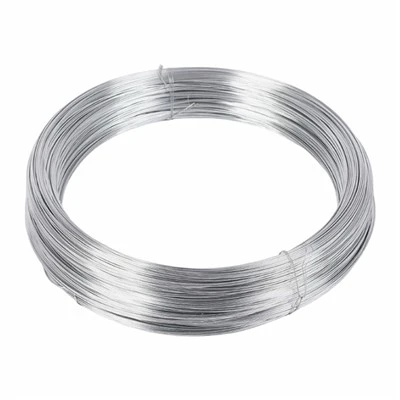
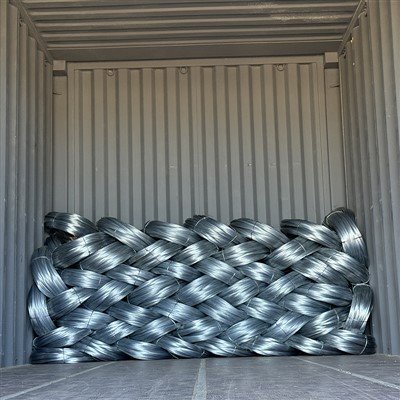
Galvanized steel netting is coated with a layer of zinc, which provides excellent corrosion resistance. This makes it suitable for both indoor and outdoor power plant applications. The zinc coating protects the steel from rust and corrosion caused by moisture and chemicals in the environment. Stainless steel, on the other hand, offers even higher corrosion resistance and is particularly useful in areas with high humidity or where the netting may come into contact with aggressive chemicals.
Durability is also closely related to strength. A durable netting can maintain its physical integrity over an extended period. This reduces the need for frequent replacements, saving time and money for power plant operators. For example, our power plant netting is designed to have a long service life, ensuring that it continues to perform its function effectively for many years.
2. Mesh Size
The mesh size of power plant netting is another important physical property. The appropriate mesh size depends on the specific application in the power plant. For example, in areas where debris and large objects need to be kept out, a larger mesh size may be sufficient. However, in areas where smaller particles or animals need to be blocked, a smaller mesh size is required.
A finer mesh can prevent insects, birds, and small rodents from entering power plant equipment, which can cause damage or malfunctions. It can also help in filtering out dust and other airborne particles, improving the air quality inside the power plant. On the contrary, a coarser mesh might be used for general containment purposes where larger objects such as leaves or branches need to be stopped.
3. Flexibility
Flexibility is an often - overlooked property but is essential for power plant netting. In some cases, the netting needs to be installed in irregularly shaped areas or around complex equipment. A flexible netting can be easily bent and molded to fit these shapes without losing its structural integrity.
This adaptability makes the installation process much easier and more efficient. Our power plant netting is designed to have a certain degree of flexibility, allowing our customers to install it quickly and without any major difficulties. Whether it's wrapping around pipes or covering large open areas, the flexible nature of the netting ensures a proper fit.
4. Fire Resistance
Fire is a significant concern in power plants. Therefore, power plant netting should have good fire - resistant properties. Materials with high fire resistance can prevent the spread of fire in case of an accident. Some netting products are treated with fire - retardant chemicals during the manufacturing process.
These treatments can significantly reduce the flammability of the netting, giving power plant operators more time to take appropriate action in the event of a fire. Non - combustible materials like stainless steel are also a great option for fire - prone areas in power plants.
5. Light Transmission
In some power plant applications, such as in areas where natural light needs to penetrate, the light - transmission property of the netting is important. A netting that allows a sufficient amount of light to pass through can help in reducing the need for artificial lighting, thus saving energy.
For example, in greenhouses or areas where plants are grown for environmental purposes within the power plant, a netting with good light - transmission capabilities can ensure proper plant growth. Our power plant netting can be designed to have different levels of light transmission according to the specific requirements of our customers.
6. Anti - Aging Properties
Power plant netting is exposed to various environmental factors such as sunlight, rain, and temperature fluctuations over its lifespan. These factors can cause the netting to age and degrade. Therefore, good anti - aging properties are necessary to maintain the performance of the netting over time.
Some netting materials are treated to resist ultraviolet (UV) radiation, which is a major cause of aging. This treatment helps to prevent the netting from becoming brittle and losing its strength. By using netting with excellent anti - aging properties, power plant operators can ensure the long - term effectiveness of the netting.
Related Products
If you're interested in related products, we also offer a wide range of solutions. For example, our Welded Gabion is a strong and durable option for various applications. It can be used for retaining walls, erosion control, and other purposes around power plants.
Our Chain Link Mesh Panels are known for their flexibility and strength. They can be used for fencing and enclosing areas in power plants. The Exterior Wall Insulation Mesh is useful for improving the energy efficiency of power plant buildings.


Stainless Steel Gabions offer high corrosion resistance, making them suitable for harsh - environment applications. And our Breeding Mesh can be used in areas where controlled breeding environments are required within the power plant premises.
Conclusion
In conclusion, the physical properties of power plant netting are crucial for ensuring the safety, efficiency, and longevity of power plant operations. Strength, durability, mesh size, flexibility, fire resistance, light transmission, and anti - aging properties all play important roles. As a power plant netting supplier, we are committed to providing high - quality netting products that meet the diverse needs of power plant operators.
If you're in the market for power plant netting or any of our related products, we invite you to contact us for a detailed discussion. We can provide customized solutions based on your specific requirements and help you make the best choice for your power plant.
References
- ASTM International. Standards related to metal mesh and netting materials.
- Industry reports on power plant safety and equipment requirements.