
When it comes to using wire ropes in high - humidity environments, there are several crucial precautions that must be taken to ensure their safety, longevity, and optimal performance. As a seasoned wire rope supplier, I have witnessed firsthand the importance of these precautions, and I am eager to share them with you.
Understanding the Impact of High Humidity on Wire Ropes
High humidity environments pose unique challenges to wire ropes. Moisture in the air accelerates the corrosion process. When water molecules come into contact with the steel surface of the wire rope, a chemical reaction occurs, leading to the formation of rust. Rust weakens the wire, reduces its strength, and can eventually cause the wire to break.
In addition to corrosion, high humidity can also affect the lubrication of the wire rope. Lubricants are essential for reducing friction between the wires, preventing wear, and extending the rope's service life. However, moisture can wash away the lubricant or cause it to break down, which means that the protective and friction - reducing effects are lost.
Pre - use Precautions
Selecting the Right Type of Wire Rope
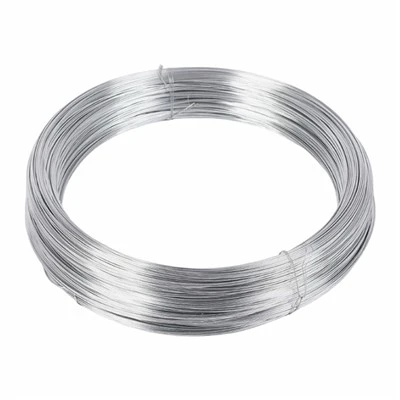
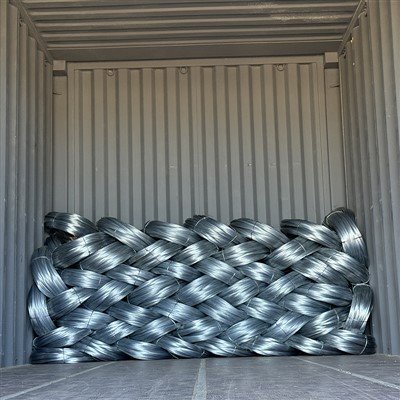
Not all wire ropes are suitable for high - humidity environments. It is essential to choose a wire rope that has high corrosion resistance. For example, Galvanized Coated Wire Rope is an excellent choice. The galvanized coating acts as a sacrificial layer, corroding before the steel core, thus providing long - term protection against rust.
Another option is Gal Wire Rope, which also has enhanced corrosion - resistant properties. These types of wire ropes are designed to withstand the harsh conditions of high - humidity areas, making them ideal for applications such as marine, coastal, or indoor environments with high humidity levels.
Inspection Before Installation
Before installing the wire rope in a high - humidity environment, a thorough inspection is necessary. Check for any visible signs of damage, such as cuts, abrasions, or kinks. These defects can compromise the integrity of the rope and make it more susceptible to corrosion. Also, examine the lubrication level. If the rope is not adequately lubricated, it should be re - lubricated before installation.
Installation Precautions
Proper Installation Techniques
Correct installation is vital to prevent premature failure of the wire rope. Ensure that the rope is installed according to the manufacturer's specifications. Incorrect installation, such as improper tensioning, can cause uneven stress distribution along the rope, leading to accelerated wear and corrosion.
When installing the wire rope, make sure it is not in contact with sharp edges or rough surfaces. These can cause abrasion, which exposes the steel to the humid environment and speeds up corrosion. Use appropriate fittings and connectors that are also corrosion - resistant to ensure a secure and long - lasting connection.
Avoiding Entrapment of Moisture
During installation, take steps to prevent moisture from being trapped within the wire rope. For example, when using the rope in a pulley system, ensure that the pulleys are properly aligned and that the rope does not form loops or pockets where water can accumulate. If the wire rope is used in a vertical position, drainage holes or channels can be added to allow water to flow away.
In - use Precautions
Regular Inspections
Regular inspections are a must for wire ropes used in high - humidity environments. Inspect the rope at least once a month, or more frequently depending on the severity of the humidity and the application. Look for signs of corrosion, such as rust spots or pitting, as well as wear and tear on the wires.
If any damage is detected, it should be addressed immediately. Minor corrosion can be removed by cleaning the affected area and reapplying lubricant. However, if the corrosion is severe, the wire rope may need to be replaced to avoid the risk of a catastrophic failure.
Maintenance and Lubrication
Maintenance is key to extending the life of wire ropes in high - humidity conditions. Regular lubrication is essential to maintain the protective barrier between the wires and the moist air. Use a high - quality lubricant specifically designed for wire ropes in wet environments. Apply the lubricant evenly along the entire length of the rope, and make sure to reach the inner strands.
In addition to lubrication, cleaning the wire rope is also important. Remove any dirt, debris, or salt deposits that may have accumulated on the surface. This can be done using a soft brush or a mild detergent. Avoid using abrasive materials that can damage the protective coating.
Storage Precautions
When the wire rope is not in use, proper storage is crucial to prevent corrosion. Store the rope in a dry, well - ventilated area. If possible, keep the rope off the ground to avoid contact with moisture. You can use a storage rack or a reel to keep the rope organized and prevent it from tangling.
It is also a good idea to cover the rope with a protective sheath or tarp to further shield it from moisture and dust. Before putting the rope back into storage after use, make sure it is clean and dry.
Application - Specific Precautions
Marine Applications
In marine applications, in addition to the general precautions, the wire rope is exposed to saltwater, which is highly corrosive. Use Binding Wire Rope or other types of wire ropes with extra - heavy galvanized coatings or special anti - corrosion treatments.
Regularly wash the wire rope with fresh water to remove salt deposits. This can significantly reduce the rate of corrosion. Also, consider using additional protective measures, such as covers or coatings, to further enhance the rope's resistance to the marine environment.


Greenhouse and Orchard Applications
In greenhouses and orchards, the high humidity is often combined with the presence of fertilizers and pesticides, which can also be corrosive. Greenhouse and Orchard Steel Wire Rope is specifically designed for such applications.
Inspect the rope regularly for chemical damage and corrosion caused by these agricultural substances. Wash the rope thoroughly if it comes into contact with fertilizers or pesticides to prevent long - term damage.
Structural Support Applications
For Flexible Support Wire Rope used in structural support, such as in bridges or buildings, the consequences of failure can be severe. In high - humidity environments, strict inspection and maintenance schedules must be followed.
Conduct non - destructive testing, such as ultrasonic testing or magnetic particle inspection, to detect internal damage. Ensure that the rope is always properly tensioned, as changes in tension can affect its performance and increase the risk of corrosion.
Conclusion
In summary, using wire ropes in high - humidity environments requires careful consideration and adherence to a series of precautions. From the selection of the right type of rope to proper installation, regular maintenance, and correct storage, every step plays a vital role in ensuring the safety and longevity of the wire rope.
As a wire rope supplier, I am committed to providing high - quality products and valuable advice to our customers. If you are in need of wire ropes for high - humidity environments or have any questions about their use and maintenance, I encourage you to contact us for further discussion and potential procurement. Our team of experts is always ready to assist you in finding the best solutions for your specific needs.
References
- ASTM International. (20XX). Standard Specification for General Requirements for Steel Wire Rope.
- Bridge, R. (20XX). Corrosion Prevention and Control in Wire Ropes. Journal of Materials Engineering, 12(3), 45 - 56.
- Smith, J. (20XX). Maintenance Guidelines for Wire Ropes in Harsh Environments. Industrial Engineering Journal, 20(2), 78 - 85.